


Quality Excellence
2017-04-13: ASQ Seattle Intro to Office Lean
Wed, 04/12/2017 - 08:47 — ChrisLean Office: Staying Focused and Organized Handout
In order to make daily time management trade-offs, it's important to understand what you want to do and why you want to do it. In this 60 min session, the student will be introduced to the building blocks of a Lean Office, include making a good plan, understanding the work, managing distractions (email) and identifying wasteful habits. Some key Lean Office tools include; PDCA, KPIs, SIPOC, 5S, 5Ds, Sequencing, Standard Work, WIP, TIMWOOUD, DIG and KATA.
How to Run A Team Meeting
Mon, 02/13/2017 - 11:27 — Chris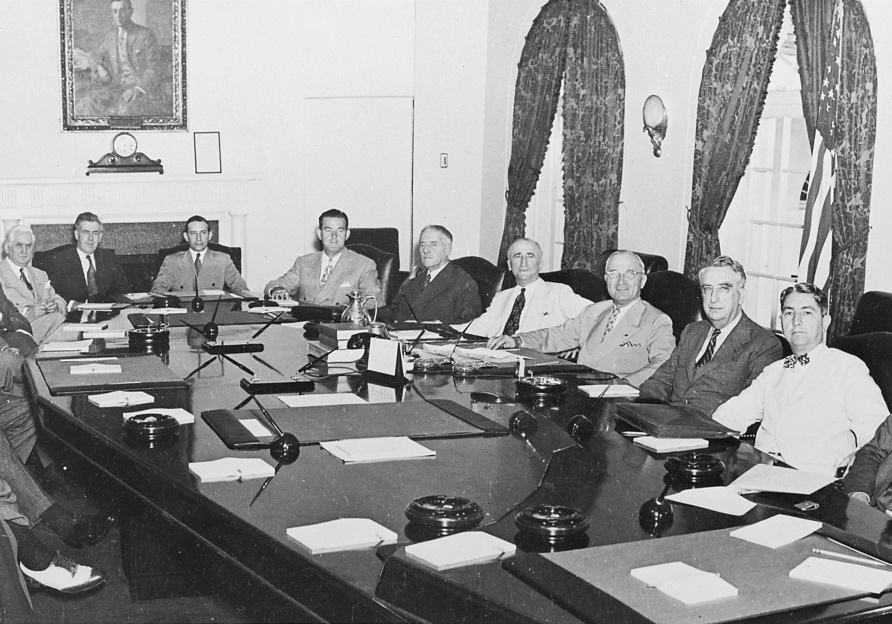 Introduction
Leading a team is an important job - everyone looks to the leader to answer questions. They watch how he/she behaves so they know what is acceptable, and they listen to the leader to find out what is most important.
- Chris's blog
- Login or register to post comments
- Read more
2016 WA State Lean Conference: Lean Office Handout
Wed, 10/19/2016 - 06:09 — ChrisWA State 2016 Lean Transformation Conference
Lean Office Training Material Sample
Fri, 09/09/2016 - 11:50 — ChrisMy Lean Office workshop helps the participants learn to identify, clarify and align their goals, understand how to make decisions based on their goals, define their work processes and discover how to work collaboratively with their upstream suppliers and downstream customers. Through instruction and exercises the student learns how to organize their physical and digital workspaces to efficiently and effectively execute and manage the daily demands on their time.
FocusMe Feature - Tracking Action via E-mail
Tue, 07/12/2016 - 14:33 — Chris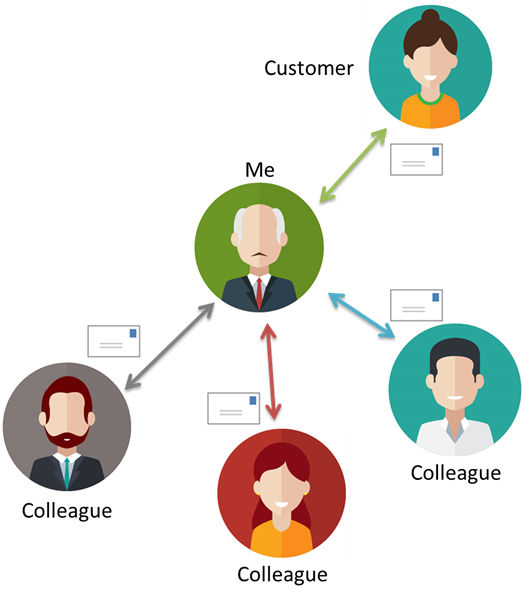
Problem
We use email to help us get things accomplished. However, it is widely accepted email is not the best mechanism for tracking action. The email method can lose information, cause confusion and missed expectations.
- Chris's blog
- Login or register to post comments
- Read more
FocusMe Feature - Directions & Distance Tracking
Tue, 05/24/2016 - 15:45 — Chris
Problem
As the CEO of Ceptara and Lean Six Sigma practitioner, I find myself traveling frequently. Often for sales calls and in some cases for consulting projects. To meet my tax obligations and to track how much time and money is being spent traveling between jobs, I needed a method for tracking my trips. Just after college I used a mileage logbook and it worked.
- Chris's blog
- Login or register to post comments
- Read more
FocusMe Feature - Using Projects to Focus
Sun, 05/01/2016 - 11:56 — ChrisProblem
Moving from managing action via an email inbox to more task driven lists is a great step forward. However, soon we end up with long lists of tasks that are constantly overdue, causing frustation, and often returning us back to our more comfortable (yet less productive) habits.
- Chris's blog
- Login or register to post comments
- Read more
FocusMe Feature - 5D Email Processing
Thu, 04/28/2016 - 15:39 — ChrisProblem
Often the email inbox is a "holding area" for work. A queue or bin that contains work waiting for us to do something or provide a response. Imagine the email inbox is a stack of paper sitting on the corner of the desk. Which would you find more distracting, a pile of paper that is two feet tall, or a few pages of paper? The inbox is the stack of paper.
- Chris's blog
- Login or register to post comments
- Read more
FocusMe for Outlook Getting Started Update
Thu, 04/28/2016 - 09:24 — ChrisCeptara's FocusMe application is a Microsoft Outlook 2010, 2013 & 2016 add-in designed to help you and your team achieve greater focus.
New FocusMe Feature - Auto-file on Reply
Tue, 03/15/2016 - 14:09 — ChrisProblem
One cool feature in our Outlook add-in [FocusMe for Outlook] is the 5Ds processing ability, ie. when an email is processed, the originating email is moved to the Drawer (an archive or project folder). However, until recently, when a message is forwarded or replied to, it took another click to file the originating email.
- Chris's blog
- Login or register to post comments
- Read more

Recent Updates
Microsoft Outlook Add-In

Focus on Your Life, Not Your Inbox
Achieve greater focus by shifting your attention from e-mail to accomplishing what matters most!
Company News
Stay up to date with our newsletter!